Susan Cossi Sacred Ceremonial Cacao Facilitator
The Sacred Medicine of Ceremonial Cacao: Ancient Wisdom Meets Modern Science
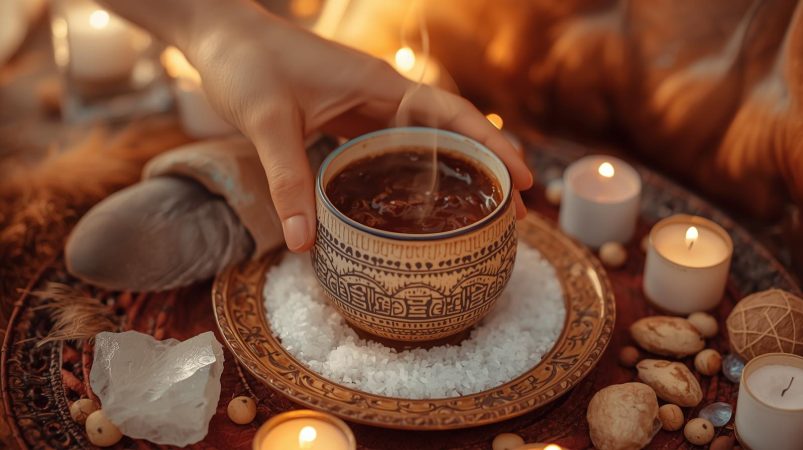
There’s something profound that happens when you sit in circle, cup of warm cacao in hand, surrounded by others who’ve come to connect with this ancient plant medicine. I know this from experience—as a Venezuelan, cacao has always felt like part of my heritage, woven into the landscape and culture of my homeland. That first ceremony I attended awakened something in me, a recognition of cacao not just as chocolate, but as a sacred teacher that has been guiding human consciousness for thousands of years.
What Makes Ceremonial Cacao Different?
Ceremonial cacao isn’t the hot chocolate of our childhood or even the dark chocolate bar from a health food store. It’s 100% pure cacao paste, minimally processed to retain its full spectrum of compounds and energetic properties. The beans are typically sourced from heirloom varieties like Criollo or Trinitario, grown with intention, often in the very regions where cacao ceremonies originated—Guatemala, Peru, Ecuador, and yes, Venezuela.
The cacao used in ceremony is prepared differently too: stone-ground into a paste, then melted and mixed with hot water, sometimes with additions like cayenne, cinnamon, or a touch of natural sweetener. But crucially, it contains no dairy, minimal sugar, and preserves the bitter, earthy complexity that connects us to cacao in its truest form.
The Chemistry of Connection: What’s Actually In Ceremonial Cacao
To understand how cacao works its magic on mind, body, and spirit, we need to look at its remarkable chemical composition. Cacao is one of the most complex foods on the planet, containing over 300 identifiable compounds. Here are the key players:
Theobromine: The heart-opener. This gentle stimulant, whose name literally means “food of the gods,” increases blood flow and provides sustained energy without the jitters of caffeine. It dilates blood vessels, literally opening the cardiovascular system—which may be why cacao is so often called a “heart medicine.”
Anandamide: Known as the “bliss molecule,” this naturally occurring compound in cacao is also produced in our own brains. Its name comes from the Sanskrit word “ananda,” meaning joy or bliss. Anandamide binds to the same receptors as THC, contributing to feelings of euphoria and wellbeing.
Phenylethylamine (PEA): The love chemical. This compound is released in our brains when we fall in love, creating feelings of excitement, attraction, and heightened awareness. Cacao is one of the few foods that contains significant amounts of PEA.
Tryptophan: An essential amino acid and precursor to serotonin, our primary mood-regulating neurotransmitter. This helps explain cacao’s antidepressant and mood-lifting effects.
Magnesium: Cacao is one of the highest natural sources of magnesium, a mineral most of us are deficient in. Magnesium supports over 300 enzymatic processes, relaxes muscles, calms the nervous system, and supports heart health.
Flavonoids and Antioxidants: Cacao contains more antioxidants per gram than blueberries, red wine, or green tea. These compounds protect cells from damage and support cardiovascular health.
MAO Inhibitors: Cacao contains compounds that inhibit the breakdown of anandamide and other mood-enhancing chemicals, allowing their effects to last longer in the body.
Why Ceremonial Cacao Comes with a Higher Price Tag
If you’ve looked into purchasing ceremonial-grade cacao, you’ve likely experienced sticker shock. A kilogram can cost anywhere from $110 USD or more—significantly more than conventional chocolate. But there are important reasons for this cost.
Ceremonial cacao comes from heirloom varieties like Criollo, which are more difficult to grow, produce lower yields, and are more susceptible to disease than the hybrid varieties used in commercial chocolate production. These trees are typically grown in their native regions using traditional, often organic methods, without the pesticides and intensive farming practices of large-scale operations.
The supply chain matters too. Ethical ceremonial cacao suppliers work directly with indigenous farmers and cooperatives, ensuring fair wages and sustainable practices. This direct trade model cuts out exploitative middlemen but means higher costs are passed to consumers—costs that actually reflect the true value of the work and the medicine. You’re paying for labor that’s justly compensated, for farming that regenerates rather than depletes the land, and for the preservation of ancient cacao genetics and cultural knowledge.
Additionally, ceremonial cacao is minimally processed—often stone-ground in small batches—to preserve the full spectrum of beneficial compounds and the energetic integrity of the medicine. This artisanal processing is labor-intensive and cannot be scaled to industrial levels. When you purchase ceremonial cacao, you’re investing in quality, ethics, and the continuation of sacred traditions. You’re ensuring that the indigenous communities who have stewarded this medicine for millennia can continue to do so with dignity and fair compensation.
How Cacao Affects Mind, Body, and Spirit
The Mind
Ceremonial cacao works as a gentle, non-psychedelic entheogen—a substance that generates the divine within. Unlike plant medicines like ayahuasca or psilocybin, cacao doesn’t create hallucinations or dramatically alter perception. Instead, it acts as a heart-opener and facilitator, gently dissolving the barriers we’ve built around our emotions.
The combination of theobromine and PEA creates a state of calm alertness and emotional availability. Many people report feeling more present, more connected to their emotions, and more able to access suppressed feelings or memories. The increased blood flow to the brain enhances mental clarity and creative thinking, while the mood-supporting compounds create a sense of gentle euphoria and openness.
The Body
The physical effects of ceremonial cacao are immediate and tangible. Within 20-30 minutes of drinking, you’ll likely feel:
- Warmth spreading through the body as blood vessels dilate
- A gentle increase in heart rate (cacao is a mild cardiovascular stimulant)
- Tingling sensations, particularly in the hands and face
- Increased circulation and a subtle energetic buzz
- Relaxation of tension, especially in the chest and shoulders
Cacao is a powerful circulatory tonic, improving blood flow throughout the body and particularly to the heart and brain. The high magnesium content relaxes the nervous system and muscles, while the natural stimulants provide energy without depleting the adrenals the way coffee does.
The Spirit
This is where language becomes inadequate, because what cacao does on a spiritual level is deeply personal and experiential. Indigenous traditions have long understood cacao as a teacher and ally, a medicine that facilitates connection—to yourself, to others, to the earth, and to something greater.
In my own ceremonies, I’ve experienced cacao as a gentle hand on my back, encouraging me forward into whatever needs to be felt or released. It doesn’t force anything; it simply creates spaciousness. The heart-opening quality isn’t just physical—it’s energetic. Barriers soften. Judgments quiet. What we’ve been avoiding becomes approachable.
Many traditions consider cacao a feminine medicine, nurturing and unconditionally loving. She doesn’t demand or push; she invites and holds. In this space of gentle support, profound healing becomes possible.
Health Benefits: What Science Confirms
Beyond the ceremonial context, the health benefits of pure cacao are extensively documented:
Cardiovascular Health: The flavonoids in cacao improve blood flow, reduce blood pressure, and decrease the risk of heart disease and stroke. Studies show that regular cacao consumption can improve cholesterol levels and reduce arterial stiffness.
Cognitive Function: The increased blood flow to the brain, combined with protective antioxidants, supports memory, focus, and may reduce the risk of neurodegenerative diseases.
Mood Enhancement: Multiple studies confirm cacao’s antidepressant effects, likely due to the combination of PEA, tryptophan, and anandamide.
Anti-inflammatory Effects: The high antioxidant content provides powerful anti-inflammatory benefits throughout the body.
Blood Sugar Regulation: Despite its natural sweetness, pure cacao (without added sugar) can actually improve insulin sensitivity and glucose metabolism.
Skin Health: The antioxidants protect skin from UV damage and improve hydration and elasticity.
Considerations and Side Effects
While cacao is generally safe and gentle, it’s important to approach it with respect and awareness:
Stimulant Effects: The theobromine and small amount of caffeine in cacao can cause jitteriness, increased heart rate, or difficulty sleeping in sensitive individuals. Ceremonial doses (20-42 grams) contain significantly more than a typical chocolate bar.
Migraines: Some people find cacao triggers headaches or migraines, possibly due to the tyramine content or vasodilating effects.
Medication Interactions: Cacao can interact with certain medications, particularly MAO inhibitors (antidepressants), as cacao itself contains MAO-inhibiting compounds.
Not for Everyone: Pregnant women, people with serious heart conditions, and those on certain medications should consult a healthcare provider before consuming ceremonial doses of cacao.
Purging: Some people experience physical or emotional purging during ceremony—nausea, crying, or the need to use the bathroom. This is considered part of the medicine’s clearing work.
Quality Matters: Not all cacao is created equal. Ceremonial-grade cacao should be pure, ethically sourced, and from reputable suppliers who work directly with indigenous farmers.
Why Ceremony? The Power of Intentional Space
You might wonder: can’t I just drink high-quality cacao at home and get the same benefits? Yes and no.
The compounds in cacao work whether you’re sitting in ceremony or sipping at your kitchen table. But there’s something irreplaceable about being held in intentional space by a trained facilitator. Here’s why ceremony matters:
Container and Safety: A skilled facilitator creates a safe, sacred container where you can fully surrender to whatever needs to emerge. They hold the energy of the space, guide the flow, and know how to support participants through difficult moments.
Intention Amplification: Ceremony harnesses the power of collective intention. When a group gathers with shared purpose, the medicine works more deeply. There’s a synergy that happens in circle that simply doesn’t occur alone.
Guidance and Integration: A trained facilitator understands the arc of a cacao journey and can guide you through practices—meditation, breathwork, sound healing, movement, sharing—that help you access and integrate what the medicine is revealing.
Cultural Respect: Working with a trained facilitator (especially one trained or connected to indigenous traditions) ensures that you’re engaging with cacao in a way that honors its origins and the cultures that have safeguarded this knowledge.
Community and Witnessing: There’s profound healing in being witnessed by others, in hearing your own story reflected in someone else’s, in remembering that you’re not alone in your struggles or your seeking.
A facilitator also understands dosing (typically 20-42 grams for ceremony, depending on body weight and sensitivity), timing, and how to work with the energy that cacao opens. They create a structure that allows the medicine to work most effectively.
A Personal Invitation
As someone who has sat in ceremony, I can tell you that cacao has a way of meeting you exactly where you are. Whether you come seeking healing, creativity, connection, or simply curiosity, she offers what you need—often something you didn’t even know you were looking for.
For those of us with roots in cacao-growing regions, there’s an additional layer of homecoming in this medicine. Sitting with cacao feels like receiving wisdom from my ancestors, remembering something that was never really forgotten, just sleeping.
If you’re feeling called to work with cacao, I encourage you to find a ceremony in your area. Look for facilitators who have trained extensively, who work with high-quality, ethically sourced cacao, and who create spaces of genuine reverence and safety. Ask questions. Trust your intuition. The right ceremony will feel like a yes in your body.
Cacao is having a renaissance right now, as more people seek gentle, legal, accessible medicines for healing and transformation. In a world that often feels fragmented and hurried, cacao offers a return to the heart, to presence, to the sweetness that exists even in bitter times.
This ancient medicine has survived centuries for a reason. Perhaps it’s time to discover that reason for yourself.
Note: This blog is for informational purposes and reflects personal and traditional perspectives on cacao. While many health claims about cacao are supported by research, ceremonial cacao should not replace medical treatment. Always consult with a healthcare provider before consuming ceremonial doses of cacao, especially if you have health conditions or take medications.