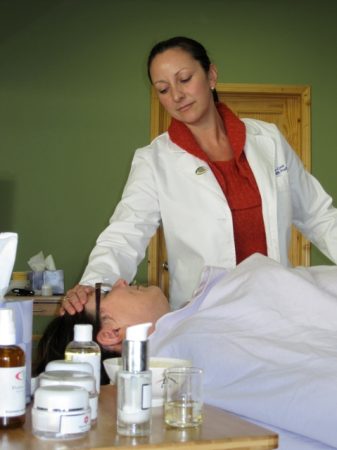
Discover the Transformative Power of Essential Oils
Aromatherapy is far more than a pleasant-smelling massage. It’s a sophisticated healing practice that harnesses the therapeutic properties of essential oils to support your physical health, emotional balance, and overall well-being.
By Susan Cossi, Clinical Aromatherapist
Practicing since the late 1990s
With over 25 years of clinical experience, I’ve witnessed firsthand how professional aromatherapy transforms lives. This article draws from decades of practice, ongoing education, and the latest research in essential oil therapeutics.
A Time-Tested Healing Tradition
For over 6,000 years, aromatic plant medicine has been treasured across civilizations. The Egyptians, Greeks, Romans, Indians, and Persians incorporated essential oils into their healing practices, spiritual rituals, and daily life. Ancient cave paintings from 18,000 years ago suggest our ancestors understood the medicinal value of plants long before recorded history.
Today, modern aromatherapy combines this ancient wisdom with scientific understanding to deliver real, measurable results.
The Science: How Essential Oils Transform Your Body, Mind, and Spirit
What Happens When Essential Oils Enter Your System
Essential oils are powerful biochemical compounds that interact with your body on multiple levels simultaneously. Understanding this process reveals why aromatherapy is such a profound healing modality.
Physical Chemistry: The Body’s Response
Dermal Absorption: When applied to your skin, essential oil molecules—being lipid-soluble (fat-loving)—penetrate through three pathways:
- Hair follicles and sweat glands
- Between skin cells
- Directly through cell membranes
Once absorbed, these molecules enter your bloodstream within minutes, circulating throughout your body to reach tissues, organs, and systems that need support. Different oils target different systems—some support respiratory function, others ease muscular tension, while some boost immune response.
The Chemical Cascade: Essential oils contain hundreds of natural chemical constituents (terpenes, esters, aldehydes, phenols) that trigger specific physiological responses:
- Anti-inflammatory compounds reduce swelling and pain
- Antimicrobial agents fight bacteria, viruses, and fungi
- Antioxidants protect cells from damage
- Hormone-balancing molecules support endocrine function
Mental and Emotional Chemistry: The Brain Connection
The Olfactory Pathway: Your sense of smell is uniquely powerful. When you inhale essential oils, aromatic molecules travel through your nasal cavity and bind to olfactory receptors. These receptors send signals directly to your limbic system—the emotional control center of your brain.
What happens next is remarkable:
The limbic system, which includes the amygdala and hippocampus, controls:
- Emotional responses and mood
- Memory formation and recall
- Heart rate and blood pressure
- Breathing patterns
- Stress hormone release
- Sleep-wake cycles
This is why certain scents can instantly transport you to a childhood memory or immediately calm anxiety. The connection is neurological and immediate—bypassing your conscious thought processes.
Neurotransmitter Release: Different essential oils trigger the release of specific brain chemicals:
- Lavender and Chamomile stimulate GABA production (your brain’s “calm down” neurotransmitter)
- Citrus oils boost serotonin and dopamine (the “feel-good” chemicals)
- Peppermint and Rosemary increase norepinephrine (improving focus and alertness)
- Frankincense may support healthy brain cell function and mental clarity
Energetic and Spiritual Dimensions
Beyond measurable chemistry, many practitioners and clients experience essential oils working on subtle energy levels:
Vibrational Frequency: Each essential oil carries a unique electromagnetic frequency. Proponents of energy medicine suggest these frequencies interact with your body’s own energy field (biofield), helping to:
- Clear energetic blockages
- Balance chakra centers
- Enhance meditation and spiritual practices
- Support emotional release and healing
The Mind-Body-Spirit Integration: When all three aspects work together—physical chemistry, neurological response, and energetic resonance—you experience holistic healing:
- Your muscles relax as inflammation decreases
- Your mind quiets as stress hormones subside
- Your spirit lifts as emotional burdens ease
- Your entire being returns to a state of balance and harmony
This is why aromatherapy isn’t just about “smelling nice”—it’s a multi-dimensional therapeutic intervention that addresses your complete self.
Why Professional Aromatherapy Matters
Not All Aromatherapy Treatments Are Created Equal
When you see “aromatherapy massage” on a spa menu, you might wonder: Is this worth the extra cost? The answer depends entirely on who’s treating you and what they’re using.
Here’s what separates professional aromatherapy from generic spa treatments:
Professional Aromatherapists:
- Complete 18 months to 3 years of specialized training
- Maintain first aid certification
- Pursue of continuing education every year
- Use pharmaceutical-grade essential oils
- Create custom blends tailored to your specific needs
Generic spa treatments often:
- Use pre-mixed synthetic fragrances bought in bulk
- Employ therapists with minimal or no aromatherapy training
- Apply one-size-fits-all products
- Miss the therapeutic benefits entirely
Your Skin Deserves Better
Essential oils penetrate deeply through hair follicles, sweat glands, and skin cells. What goes on your body matters. Professional-grade essential oils offer therapeutic benefits, while low-quality synthetic fragrances may cause irritation or provide zero wellness value.
What to Expect from a Professional Session
A genuine aromatherapy consultation is comprehensive and personalized:
Your practitioner will assess:
- Complete medical history
- Current stress levels and emotional state
- Lifestyle factors including diet and exercise
- Skin, eye, and nail condition
- Specific health concerns or goals
Your custom treatment may include:
- Therapeutic massage with personalized oil blends
- Inhalation therapy
- Aromatic compresses
- Specialized skin preparations
- Healing baths
Each treatment addresses your whole self—mind, body, and spirit—using carefully selected essential oils and pure, cold-pressed carrier oils.
Real Results for Real Concerns
Professional aromatherapy effectively supports:
- Stress and anxiety management
- Sleep quality improvement
- Pain and inflammation relief
- Immune system strengthening
- Skin health and appearance
- Digestive wellness
- Emotional balance
- Recovery support during medical treatments
Quick Aromatherapy Tips for Home
Emotional Support:
- Inhale Roman Chamomile to ease anger and frustration
- Use Frankincense, Lemon, and Tea Tree to boost immunity
Natural Pest Control:
- Geranium, Eucalyptus, Lavender, and Peppermint repel insects naturally
- Roman Chamomile soothes insect bites
- Add Juniper drops to your pet’s bath to prevent ticks and fleas
- Peppermint deters mice, fleas, and ants
Important Safety Note: Always dilute essential oils properly and consult a qualified aromatherapist before treating specific conditions.
Choosing Quality Essential Oils
Look for these quality markers:
- Dark glass bottles (protects oil integrity)
- Latin botanical name on label
- Country of origin listed
- Clear usage instructions and cautions
- Reputable, trusted supplier
- Sealed packaging
Warning signs:
- “Natural” without certification (meaningless marketing term)
- Unusually low prices
- Clear bottles
- Missing botanical information
Questions to Ask Before Booking
Protect your investment and your health by asking:
- What specific essential oils will be used in my treatment?
- What is your aromatherapy training and certification?
- Are your essential oils therapeutic grade?
- Will my blend be customized for my specific needs?
- Do you create pre-treatment consultations?
If they can’t answer confidently, consider finding a qualified practitioner who can.
Experience Authentic Aromatherapy
Don’t settle for synthetic fragrances masquerading as therapy. Genuine aromatherapy offers profound benefits when practiced by trained professionals using quality materials.
Your well-being deserves more than a marketing buzzword—it deserves real expertise, pure ingredients, and personalized care.
Ready to experience the difference professional aromatherapy can make? Contact us today to schedule your personalized consultation and discover what authentic, Clinical and Therapeutic aromatherapy can do for you.
About Susan Cossi, Clinical Aromatherapist
With professional practice since the late 1990s, Susan Cossi brings over 25 years of clinical aromatherapy expertise to her work. Her extensive training, ongoing education, and dedication to evidence-based practice ensure clients receive the highest standard of therapeutic care. Susan combines traditional wisdom with modern scientific understanding to create personalized aromatherapy treatments that address the whole person—body, mind, and spirit.
Scientific References and Research
The therapeutic benefits of aromatherapy are supported by growing scientific evidence:
Dermal Absorption and Systemic Effects
- Cal, K. (2006). “Skin penetration of terpenes from essential oils and topical vehicles.” Planta Medica, 72(4), 311-316. This study demonstrates how essential oil molecules penetrate the stratum corneum and enter systemic circulation.
- Tisserand, R., & Young, R. (2014). Essential Oil Safety: A Guide for Health Care Professionals (2nd ed.). Churchill Livingstone Elsevier. The definitive reference on essential oil pharmacology, toxicology, and safe application.
Neurological and Psychological Effects
- Sowndhararajan, K., & Kim, S. (2016). “Influence of fragrances on human psychophysiological activity: With special reference to human electroencephalographic response.” Scientia Pharmaceutica, 84(4), 724-751. Documents how essential oils affect brainwave patterns and emotional states.
- Komori, T., et al. (1995). “Effects of citrus fragrance on immune function and depressive states.” Neuroimmunomodulation, 2(3), 174-180. Demonstrates citrus essential oils’ ability to regulate neurotransmitters and reduce stress hormones.
- Moss, M., Cook, J., Wesnes, K., & Duckett, P. (2003). “Aromas of rosemary and lavender essential oils differentially affect cognition and mood in healthy adults.” International Journal of Neuroscience, 113(1), 15-38. Shows measurable cognitive enhancement from specific essential oils.
Clinical Applications
- Buckle, J. (2014). Clinical Aromatherapy: Essential Oils in Healthcare (3rd ed.). Churchill Livingstone. Comprehensive clinical evidence for aromatherapy in hospital and healthcare settings.
- Ali, B., et al. (2015). “Essential oils used in aromatherapy: A systemic review.” Asian Pacific Journal of Tropical Biomedicine, 5(8), 601-611. Reviews antimicrobial, anti-inflammatory, and therapeutic properties of commonly used essential oils.
- Lakhan, S. E., Sheafer, H., & Tepper, D. (2016). “The effectiveness of aromatherapy in reducing pain: A systematic review and meta-analysis.” Pain Research and Treatment, 2016, 8158693. Demonstrates significant pain reduction through aromatherapy interventions.
Limbic System and Olfactory Pathway
- Herz, R. S. (2009). “Aromatherapy facts and fictions: A scientific analysis of olfactory effects on mood, physiology and behavior.” International Journal of Neuroscience, 119(2), 263-290. Explains the direct neurological pathway from scent to emotional response.
- Sela, L., & Sobel, N. (2010). “Human olfaction: A constant state of change-blindness.” Experimental Brain Research, 205(1), 13-29. Details how olfactory signals bypass the thalamus and directly access the limbic system.
Historical and Traditional Use
- Gattefossé, R. M. (1937). Aromathérapie: Les Huiles essentielles hormones végétales. Girardot & Cie. The foundational text that coined the term “aromatherapy.”
- Lawless, J. (2013). The Encyclopedia of Essential Oils: The Complete Guide to the Use of Aromatic Oils in Aromatherapy, Herbalism, Health, and Well-Being. Conari Press. Comprehensive historical and practical reference.
Professional Standards
- International Federation of Professional Aromatherapists (IFPA).
- National Association for Holistic Aromatherapy (NAHA). Safety Information. Retrieved from naha.org. Establishes professional guidelines for aromatherapy practice.
- Alliance of International Aromatherapists (AIA). Education Standards. Retrieved from alliance-aromatherapists.org. Details professional training requirements for clinical aromatherapists.
The information provided is for educational purposes and is not intended to diagnose, treat, cure, or prevent any disease. Always consult qualified healthcare practitioners before using essential oils, especially if pregnant, nursing, or under medical care.