Aromatherapy, Herbs, Food & Movement
Living with diabetes means paying close attention to the body every single day — blood sugar swings, fatigue, tingling in the hands and feet, slow-healing skin, and the quiet stress of managing it all. Conventional medical care is essential and so is natural approaches. There is a lot that holistic practices — aromatherapy, herbal support, food choices, and movement — can offer, alongside medical treatment to ease symptoms and support quality of life.
This guide focuses on complementary, evidence-informed support: what it can realistically help with, and where extra caution is needed.
Always work with your physician or endocrinologist before adding herbs, supplements, or a new exercise routine, especially if you take insulin or blood-sugar-lowering medication — many of these plants can intensify their effects.
Understanding What’s Happening
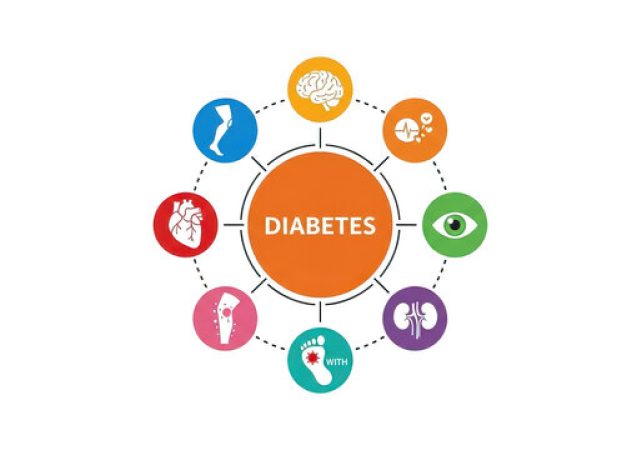
The symptoms people most often want help with are:
- Fatigue and low energy
- Increased thirst and frequent urination
- Slow-healing cuts, especially on the feet
- Tingling, burning, or numbness in the hands and feet (peripheral neuropathy)
- Poor circulation and cold extremities
- Blood sugar spikes and crashes
- Stress and disrupted sleep, which both worsen blood sugar control
The approaches below are organized around these — nerve and foot comfort, blood sugar stability, and the daily habits that support both.
Aromatherapy for the Feet
Diabetic feet need gentler handling than most feet. Reduced circulation and nerve sensitivity mean the skin is more vulnerable to burns, cuts, and infections that may be slow to heal or go unnoticed. A few ground rules before any recipe:
- Always dilute. Keep blends at 1–3% dilution (roughly 6–9 drops of essential oil per ounce/30 ml of carrier oil).
- Patch test first on the inner forearm and wait 24 hours before applying to the feet.
- Water should be warm, never hot. Test the temperature with your wrist or a thermometer, not your foot — neuropathy can mask a burn until damage is done.
- Inspect the feet before and after every treatment for cuts, blisters, redness, or cracks, and avoid applying oils directly onto broken skin.
- Dry the area between the toes when soaking, to avoid trapping moisture, which can encourage fungal growth.
Calming Foot & Hand Massage Oil
A blend modeled on the oils used together in clinical nursing research for diabetic neuropathic pain.
- 30 ml carrier oil (Sweet almond, Prunus dulcis, maybe add a little Calendula officinalis, )
- 3 drops Lavender, Lavandula angustifolia
- 2 drops Geranium, Pelargonium graveolens
- 2 drops Rosemary, Rosmarinus officinalis (avoid in pregnancy and with seizure disorders)
- 1 drop Eucalyptus, Eucalyptus globulus
- 1 drop Roman Chamomile, Chamaemelum nobile
Warm a small amount between the palms and massage gently into the feet and lower legs for 10 minutes each evening, always massaging toward the heart to encourage circulation.
Simple Nightly Lavender Blend
For those who want something even simpler, a single-oil approach has also shown benefit for neuropathic foot pain.
- 30 ml carrier oil
- 5–6 drops Lavender, Lavandula angustifolia (a 2–3% dilution)
Massage into clean, dry feet before bed.
Cooling Foot Blend (for burning or heat sensations)
- 30 ml carrier oil
- 3 drops Peppermint, Mentha × piperita (avoid on cracked or broken skin, and use sparingly — it can be too intense for sensitized nerves)
- 3 drops Lavender, Lavandula angustifolia
- 2 drops Tea Tree, Melaleuca alternifolia (helpful if skin is prone to fungal irritation)
Warm (Not Hot) Foot Soak
- A basin of warm water
- 1–2 drops total of Lavender, Lavandula angustifolia, and/or Geranium, Pelargonium graveolens, dispersed in a teaspoon of carrier oil or Honey before adding to the water (essential oils don’t dissolve in water alone)
- Soak for 10 minutes, then dry feet thoroughly, especially between the toes
Citrus oils like bergamot (Citrus bergamia) are lovely in a diffuser for mood support but should be avoided on skin that will see sun exposure, as they are phototoxic.
Why the Massage Itself Matters
It’s worth pausing on this: in the clinical trials behind these recipes, it wasn’t the essential oils working alone — it was the massage. Regular hands-on touch to the feet and lower legs does several things a bottle of oil can’t do by itself:
- It re-introduces sensory input to areas dulled by neuropathy, offering the nervous system a form of gentle, safe stimulation.
- It mechanically supports circulation, encouraging blood flow to areas that are often cold and undernourished by poor perfusion.
- It lowers stress hormones. Cortisol raises blood sugar, so anything that calms the nervous system — including the simple, repetitive rhythm of a foot massage — supports glycemic control indirectly.
- It creates a daily check-in ritual. Handling the feet regularly means you’re far more likely to notice a cut, blister, or colour change early, before it becomes a serious wound.
- It offers connection and care — something that shouldn’t be underestimated for a condition that can otherwise feel like a long list of restrictions and numbers to track.
In other words: even a plain carrier oil, applied with attentive hands for ten minutes a night, is doing real therapeutic work. The essential oils are an enhancement to that foundation, not a replacement for it.
Herbs That Support Blood Sugar Balance
These are traditionally and, in some cases, clinically studied for glycemic support. They are not a substitute for medication, and several interact with diabetes drugs — bring this list to your care team before trying any of them.
- Fenugreek, Trigonella foenum-graecum — seeds high in soluble fiber that slow sugar absorption; often taken as soaked seeds or powder
- Cinnamon, Cinnamomum verum (true/Ceylon cinnamon, preferred over cassia for regular use due to lower coumarin content) — supports healthy insulin sensitivity; wonderful stirred into warm milk or oatmeal
- Gymnema, Gymnema sylvestre — sometimes called the “sugar destroyer” in Ayurvedic tradition; taken as tea or tincture, thought to reduce sugar cravings
- Bitter Melon, Momordica charantia — used in Asian cooking and teas; some of the more consistently researched anti-diabetic botanicals
- Holy Basil / Tulsi, Ocimum sanctum (syn. Ocimum tenuiflorum) — a calming adaptogen that also supports glucose metabolism, lovely as a daily tea
- Ginger, Zingiber officinale — anti-inflammatory, aids digestion, and may support healthy fasting glucose
- Nopal / Prickly Pear, Opuntia ficus-indica — the pads are eaten as a vegetable in Mexican cuisine and are rich in soluble fiber
A gentle daily tea: fresh ginger, a cinnamon stick, and a few holy basil leaves steeped for 10 minutes makes a soothing, supportive ritual.
Foods Worth Emphasizing
- Non-starchy vegetables — leafy greens, broccoli, peppers, zucchini
- Legumes — lentils, chickpeas, black beans — fiber and protein slow glucose absorption
- Whole grains over refined — steel-cut oats, quinoa, barley
- Healthy fats — avocado, olive oil, nuts, and seeds, which slow the glycemic response of a meal
- Fatty fish rich in omega-3s, which support circulation and nerve health
- Cinnamon, ginger, and turmeric woven into everyday cooking rather than taken only as supplements
Foods worth minimizing: refined sugar, white flour products, sugary drinks, and heavily processed foods, all of which cause the sharpest blood sugar spikes.
Movement: What to Change, Not Just Add
Exercise is one of the most powerful blood-sugar tools available, but diabetes changes how it should be approached:
- Check blood sugar before and after exercise, especially when starting something new, and carry a fast-acting carbohydrate in case of a low.
- Choose supportive, well-fitted athletic shoes — never exercise barefoot, and check feet after every session for hot spots or blisters.
- Favor low-impact, consistent movement over high-intensity bursts: brisk walking, swimming, cycling, or gentle yoga are easier on joints and circulation than running or high-impact training.
- Add resistance training two to three times a week. Building muscle mass improves how efficiently the body uses glucose.
- Break up sitting time. Even a five-minute walk after meals measurably blunts the after-meal blood sugar spike.
- Watch the temperature. Extreme heat and cold both affect circulation and blood sugar response — dress in layers and avoid exercising outdoors in extreme conditions.
- Build in recovery. Overtraining raises stress hormones, which can raise blood sugar — consistency matters more than intensity.
Qi Gong: Gentle Movement for Blood Sugar Balance
Alongside walking and resistance work, qi gong deserves a special mention. It’s slow, low-impact, requires no equipment, and several controlled studies have shown it can meaningfully improve fasting blood glucose, HbA1c, and insulin sensitivity — likely through a combination of gentle muscle activity, improved circulation, and lowered stress hormones. It’s also easy on the joints and feet, which makes it especially well suited to those managing neuropathy.
The most researched set is Baduanjin (八段锦), the “Eight Pieces of Brocade” — eight slow, flowing movements paired with deep breathing, traditionally practiced in a standing form but easily adapted to a seated version for anyone with balance concerns or foot sensitivity.
- Two Hands Hold Up the Heavens — arms reach slowly overhead and stretch the whole torso, said to regulate the Triple Warmer and get the qi moving from the very first movement.
- Drawing the Bow to Shoot the Hawk — a wide horse stance with an archer’s pulling motion side to side, working the waist, kidneys, and spleen.
- Separate Heaven and Earth — one hand presses up, the other down, stretching the spine and digestive organs.
- Look Back Over the Shoulder — a gentle spinal twist said to relieve fatigue and clear tension from the neck and shoulders.
- Sway the Head and Shake the Tail — a low, grounding stance with a gentle side-to-side motion, associated with clearing heat and calming the mind.
- Two Hands Hold the Feet to Strengthen the Kidneys — a forward fold reaching toward the feet, then rising with hands sweeping up the back, supporting the lower back and kidney energy.
- Clench the Fists and Glare Fiercely — slow punching movements in a horse stance, building general vitality and circulation.
- Bouncing on the Toes — a gentle heel raise and drop, finishing the set by settling the qi through the whole body.
A full round takes about 15 minutes and can be practiced daily. As with any new movement practice, learn the form from a qualified instructor, and let your care team know if you have significant balance issues, retinopathy, or foot ulcers, since some postures may need modifying.
Bringing It Together
None of these tools work in isolation — the foot massage supports circulation that the exercise builds on, the herbs support the blood sugar stability that the food choices are working toward, and all of it rests on a foundation of proper medical care. Small, consistent daily rituals tend to outperform dramatic overhauls: a nightly foot massage, a cup of ginger tea, a walk after dinner, fifteen minutes of Baduanjin in the morning sun.
This article is for educational purposes and does not replace medical advice. Please consult your healthcare provider before making changes to diet, exercise, or supplement use, particularly if you take insulin or other diabetes medications.
Susan Cossi
IFPA-Accredited Clinical Aromatherapist & Holistic Health Practitioner
Holistic Teachings Inc. | susancossi.com