The Healing Power of Essential Oils and Carrier Oils in Scar Recovery
Why Oils Are Essential in Scar Healing
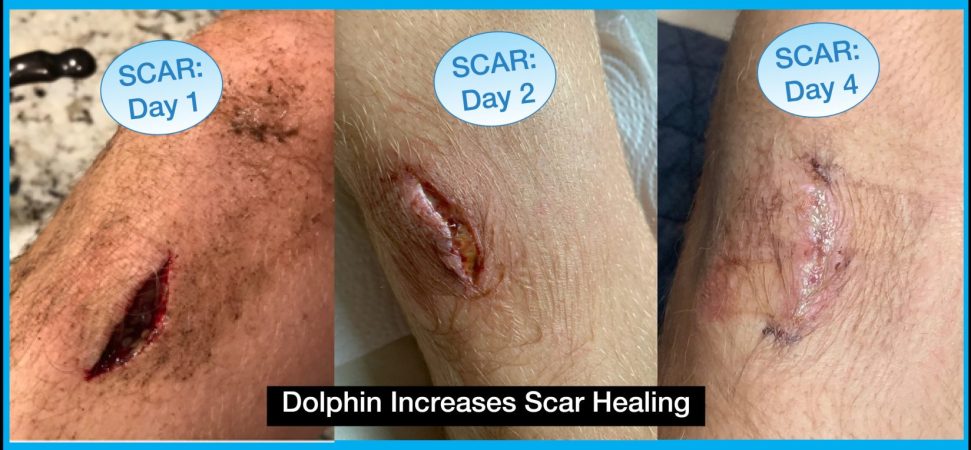
Scar tissue is one of the body’s most remarkable feats of repair — but it is also one of its most imperfect ones. When skin is wounded, the body rushes to close the breach, laying down collagen fibers in a disorganized pattern that lacks the flexibility, sensitivity, and texture of the original tissue. The result is scar tissue that can be tight, raised, discolored, numb, or painful — sometimes for years after the wound has closed.
This is where essential oils and carrier oils become indispensable allies.
Carrier oils — rich in fatty acids, vitamins, and lipid compounds — penetrate the dermal layers and provide the skin with the raw materials it needs to remodel collagen, reduce inflammation, and restore suppleness. They create a lipid-rich environment that makes the skin more receptive to healing and to the therapeutic compounds delivered by essential oils. Without a good carrier oil, essential oils cannot be safely or effectively applied to the skin; they are too concentrated and volatile on their own.
Essential oils contribute targeted biochemical action. Compounds such as sesquiterpenes, monoterpenes, aldehydes, and esters found in specific oils have been studied for their ability to reduce inflammation, stimulate cellular regeneration, modulate immune response, improve circulation, and break down fibrous adhesions. Applied consistently and correctly, these oils work at a cellular level to encourage the skin to remodel scar tissue toward healthier, more organized structure.
Together — carrier oil as the vehicle, essential oil as the active agent — they form a partnership that no single ingredient could achieve alone. Daily massage with a well-formulated blend also provides mechanical stimulation to the scar tissue itself, improving circulation, softening adhesions, and preventing the thickening and binding that can limit range of motion or cause chronic discomfort.
A Scar Healing Blend: Recipe and Instructions
Ingredients
| Essential Oil | Latin Name | Amount |
|---|---|---|
| Helichrysum (Immortelle) | Helichrysum italicum | 8 drops |
| Frankincense | Boswellia carterii | 6 drops |
| Lavender | Lavandula angustifolia | 6 drops |
| Rosehip Seed Oil | Rosa rubiginosa (carrier) | 30 ml (2 tbsp) |
| Sea Buckthorn Berry Oil | Hippophae rhamnoides (carrier) | 5 ml (1 tsp) — use sparingly, highly pigmented |
| Tamanu Oil | Calophyllum inophyllum (carrier) | 5 ml (1 tsp) |
Optional additions:
- Neroli (Citrus aurantium var. amara) — 4 drops, for skin cell regeneration
- Carrot Seed (Daucus carota) — 3 drops, for tissue repair and pigmentation
Total blend: 40 ml | Dilution: approximately 3–4%
How to Blend
- Start with a clean, dark glass bottle (30–50 ml amber or cobalt blue dropper or pump bottle). Dark glass protects the oils from UV degradation.
- Pour in your carrier oils first: rosehip seed oil, tamanu oil, and sea buckthorn berry oil. Swirl gently to combine.
- Add your essential oils drop by drop directly into the carrier blend.
- Cap the bottle and roll gently between your palms for 30–60 seconds to encourage integration. Do not shake vigorously.
- Label your bottle with the date and contents. The blend will keep for 6–12 months stored away from heat and light. Refrigeration extends shelf life.
How to Use
Amount: 3–5 drops per application, or enough to lightly coat the scar area without pooling.
Method:
- Warm a few drops between your fingertips.
- Apply to the scar and surrounding tissue.
- Using the pads of your fingers, massage in small, firm circles directly on the scar for 2–3 minutes. Follow this with longer strokes along the length of the scar.
- Work the edges of the scar as well as the center — adhesions often form at the margins.
- Finish with gentle cross-fiber strokes (perpendicular to the scar line) to discourage fibrous banding.
Frequency: Apply twice daily — morning and evening — for best results. Consistency is everything with scar tissue; sporadic use yields minimal results.
When to Begin Using Oils on a Scar
Timing matters. The general guidelines are:
Closed surgical or injury scars: You may begin applying oils once the wound is fully closed and any sutures, staples, or steri-strips have been removed and the surface is sealed — typically 3 to 6 weeks post-surgery, with your healthcare provider’s approval. Do not apply to open or healing wounds.
C-section or abdominal scars: These often involve deeper fascial layers. Begin surface oil application once the skin is fully closed (typically 6–8 weeks post-surgery). Work with a practitioner for deeper fascial mobilization.
Burn scars or keloids: Consult with your physician before beginning oil application, as some scar types require modified protocols.
Older or mature scars: It is never truly “too late.” Scar tissue continues to respond to treatment for years — sometimes decades — after the initial injury. Older scars may simply require more time and patience.
What to Expect
Scar healing is a process, not an event. Here is a realistic timeline of what you may experience:
Weeks 1–4: The skin may feel softer and more supple. Color may begin to normalize. You may notice the scar becoming more pliable with less tightness.
Months 1–3: Visible improvement in texture, elevation (raised scars begin to flatten), and color. Range of motion around the scar may increase. Sensitivity — including the return of sensation to numb areas — may begin.
Months 3–6 and beyond: Continued remodeling and softening. Adhesions that bind the scar to underlying tissue may release with consistent massage. Itching, which is a normal sign of healing and nerve regeneration, typically diminishes.
Results vary based on scar age, type, depth, individual healing response, and consistency of application. Be patient and persistent — the skin is always listening.
Take It Further: Work With a Professional
Essential oil application is a powerful tool, but it works best as part of a comprehensive scar treatment approach. If you are dealing with a scar that is limiting movement, causing pain, affecting sensation, or impacting your confidence and quality of life, professional treatment can make a profound difference.
Book a session with Susan Cossi and ask specifically about MPS (Microcurrent Point Stimulation) Scar Healing Sessions. MPS therapy is a specialized, evidence-informed approach to releasing scar tissue and restoring fascial mobility — particularly effective for post-surgical, C-section, and trauma scars. Combined with essential oil self-care at home, MPS sessions can accelerate results and address the deeper layers that topical oils alone cannot reach.
To book your session with Susan, contact her directly and mention this article.
A Note on Sourcing Your Oils
The quality of your essential oils and carriers matters enormously. Adulterated, synthetic, or improperly stored oils will not deliver the therapeutic results described here — and in some cases may cause irritation or sensitization.
I have been a trusted purveyor of pure, high-quality essential oils and carrier oils for over 25 years. I source with integrity, and I stand behind every product I offer. When you are ready to create your scar healing blend, I invite you to purchase your oils through me. You will receive the guidance, quality assurance, and personal care that only a dedicated, experienced aromatherapy practitioner can provide.
Please reach out for purchasing information and personalized oil recommendations.
References
- Battaglia, S. (2003). The Complete Guide to Aromatherapy (2nd ed.). The International Centre of Holistic Aromatherapy.
- Tisserand, R., & Young, R. (2014). Essential Oil Safety: A Guide for Health Care Professionals (2nd ed.). Churchill Livingstone.
- Orchard, A., & van Vuuren, S. F. (2017). Commercial essential oils as potential antimicrobials to treat skin diseases. Evidence-Based Complementary and Alternative Medicine, 2017. https://doi.org/10.1155/2017/4517971
- Mori, H. M., Kawanami, H., Kawahata, H., & Aoki, M. (2016). Wound healing potential of lavender oil by acceleration of granulation and wound contraction through induction of TGF-β in a rat model. BMC Complementary and Alternative Medicine, 16, 144.
- Ranzato, E., Martinotti, S., & Burlando, B. (2011). Wound healing properties of jojoba liquid wax: An in vitro study. Journal of Ethnopharmacology, 134(2), 443–449.
- Lin, T. K., Zhong, L., & Santiago, J. L. (2018). Anti-inflammatory and skin barrier repair effects of topical application of some plant oils. International Journal of Molecular Sciences, 19(1), 70.
- Abdel-Wahhab, K. G., et al. (2019). Helichrysum italicum extract and its bioactive compounds. Journal of Medicinal Plants Research.
- Burdock, G. A., & Carabin, I. G. (2008). Safety assessment of frankincense (Boswellia spp.). Food and Chemical Toxicology, 46(2), 433–451.
- Carvalho, A. C. B., et al. (2018). Perspectives on the therapeutic effects of rosehip. Journal of Pharmacy and Pharmacology.
- Ito, N., et al. (2018). The effects of aromatherapy on scar and wound healing: A review of evidence. Complementary Therapies in Clinical Practice.
This article is for educational purposes only and does not constitute medical advice. Always consult your healthcare provider before beginning any new treatment protocol, particularly for post-surgical scars.