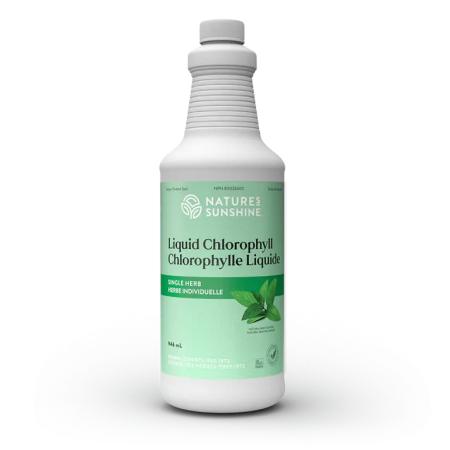
What is Chlorophyll?
Chlorophyll is the green pigment in plants that enables photosynthesis by absorbing light energy from the sun. Its molecular structure is remarkably similar to human hemoglobin—the only difference being the central atom (magnesium in chlorophyll vs. iron in hemoglobin).
Types of Chlorophyll
- Chlorophyll a: Most abundant and important form in plants
- Chlorophyll b: Secondary form found in plants
- Chlorophyllin: Water-soluble derivative made from sodium and copper salts of chlorophyll; used as a supplement (natural chlorophyll is fat-soluble)
Nutritional Profile
Chlorophyll-rich foods provide:
- Vitamins: A, C, E, K, and beta-carotene
- Minerals: Magnesium, iron, potassium, calcium
- Antioxidants: Strong free radical scavenging properties
- Essential fatty acids
- Live enzymes: Support blood cleansing and oxygen transport
Evidence-Based Health Benefits
1. Blood Health & Anemia
- Aids in restoring and replenishing red blood cells
- Works at molecular and cellular levels to regenerate the body
- 2004 pilot study: Wheatgrass (70% chlorophyll) reduced blood transfusion needs in thalassemia patients
- Note: Researchers believe wheatgrass benefits may come from the whole plant rather than chlorophyll alone
2. Cancer Prevention
- Animal studies: Reduced liver tumors by 29-64% and stomach tumors by 24-45%
- Human trial: Small study (4 volunteers) showed chlorophyll may limit aflatoxin (carcinogen) absorption
- Clinical evidence: Chlorophyllin consumption led to 55% decrease in aflatoxin biomarkers
- Mechanism: Inhibits metabolism of procarcinogens, prevents DNA damage
- Effective against colon cancer; stimulates apoptosis (programmed cell death)
- Ongoing clinical trial in China studying chlorophyllin effects on liver cancer
3. Wound Healing & Skin Health
- Commercial ointments: Papain-urea-chlorophyllin formulations reduced pain and healing time by 50%
- Reduces inflammation and bacterial growth in wounds
- Acne treatment: 2015 study showed skin improvement and reduced pore size after 3 weeks of topical chlorophyllin gel
- Effective for treating chronic varicose ulcers
- Strengthens body tissues and improves resistance to infections
4. Weight Loss Support
- Study found daily green plant membrane supplement (with chlorophyll) resulted in greater weight loss vs. control group
- Also reduced harmful cholesterol levels
5. Detoxification
- Forms complexes with mutagens and toxins
- Binds and flushes out heavy metals (e.g., mercury)
- Inhibits gastrointestinal absorption of harmful toxins and aflatoxins
- Reduces harmful effects of radiation
- Helps eliminate pesticides and drug deposits
- Revives and detoxifies liver function
6. Anti-Inflammatory Effects
- Arthritis: Chlorophyll derivatives interfere with bacterial-induced inflammation
- Beneficial for fibromyalgia
- Reduces local inflammation in wounds
7. Digestive Health
- Maintains healthy intestinal flora
- Stimulates bowel movements and relieves constipation
- Facilitates colon cleansing
- Inhibits cytotoxicity from dietary heme
- Prevents proliferation of colonocytes
- Alleviates gas discomfort
8. Deodorizing Properties
- Used since the 1940s to neutralize odors
- Trimethylaminuria study: Significantly decreased trimethylamine levels (fishy odor condition)
- Reduces fecal and urinary odor in colostomy patients
- Limited evidence for bad breath claims
- Effective on stinking wounds
9. Immune System Support
- Strengthens cell walls due to alkaline nature
- Creates hostile environment for anaerobic disease-causing bacteria
- Acts as an oxygenator, boosting energy and accelerating healing
10. Bone Health
- Magnesium in chlorophyll essential for bone formation and maintenance
- Works synergistically with calcium and vitamin D
- Contributes to muscle toning, contraction, and relaxation
11. Cardiovascular Health
- Magnesium maintains blood flow and normal blood pressure
- Supports cardiovascular system function
12. Additional Benefits
- Insomnia: Calming effect on nerves, reduces nervous irritability and fatigue
- Hormonal balance: Vitamin E stimulates testosterone (males) and estrogen (females)
- Blood clotting: Vitamin K aids normal clotting; treats nosebleeds and heavy menstrual bleeding
- Kidney stones: Vitamin K reduces calcium oxalate crystal growth
- Respiratory health: Treats cold, rhinitis, and sinusitis
- Oral health: Treats pyorrhea, inflamed and bleeding gums
- Pancreatitis: Intravenous administration relieves fever and abdominal pain without side effects
- Anti-aging: Stimulates anti-aging enzymes; magnesium and antioxidants maintain healthy tissues
- Antimicrobial: Effective against Candida albicans infections
Food Sources
Best Sources (High in Chlorophyll a and b)
- Dark leafy greens: Spinach, kale, Swiss chard, parsley
- Vegetables: Arugula, green beans, leeks, garden cress
- Grasses: Wheatgrass
- Algae: Spirulina, chlorella (blue-green algae)
- Other: Sprouts, matcha green tea
Preparation Tips
- Eat raw or lightly steamed (overcooking destroys chlorophyll and magnesium)
- Avoid prolonged high-heat cooking
Supplementation
Forms Available
- Liquid chlorophyll (water-soluble chlorophyllin)
- Capsules/tablets
- Topical gels and ointments (for skin/wounds)
- Food additive (E141 – “natural green 3”)
Medical Applications
- Prescription ointments: Papain-urea-chlorophyllin for wound care
- Intravenous administration for chronic pancreatitis
- Oral supplements for general health
Safety & Side Effects
Generally Safe
Natural chlorophyll in normal doses has not shown toxic effects despite many years of clinical use.
Possible Mild Side Effects
- Discoloration of tongue, urine, or feces (oral use)
- Mild burning or itching (topical application)
Rare Cases (Overdose)
- Diarrhea
- Abdominal cramps
- Loose bowel movements
Recommendation: Seek medical intervention if adverse effects occur.
Scientific Mechanism
How Chlorophyll Works
- Molecular similarity to hemoglobin: Performs similar oxygen-carrying functions
- Alkaline nature: Maintains acid-alkali balance; prevents pathogen growth
- Antioxidant action: Neutralizes free radicals and oxidative stress
- Enzyme support: Rich in live enzymes for cleansing and regeneration
- Chelation: Binds to toxins and heavy metals for elimination
Key Takeaways
✓ Powerful antioxidant and detoxifier
✓ Supports blood health and oxygen transport
✓ Evidence for cancer prevention (ongoing research)
✓ Accelerates wound healing by 50%
✓ Natural anti-inflammatory and antimicrobial
✓ Supports digestion, immunity, and cardiovascular health
✓ Safe for long-term use with minimal side effects
✓ Best obtained through diet (dark leafy greens)
Note: While chlorophyll shows promising benefits, more large-scale human studies are needed. Consult healthcare providers before using supplements, especially for medical conditions.