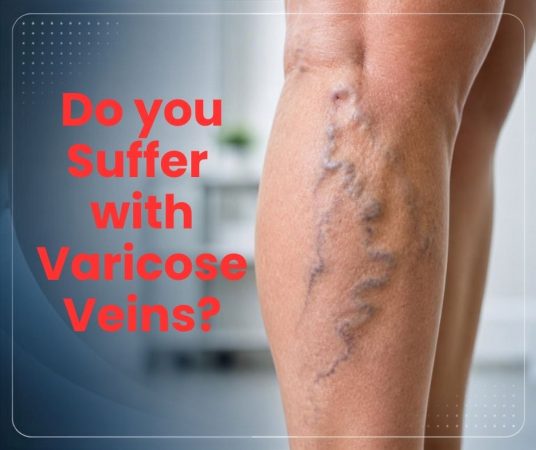
Varicose Veins: A Holistic Approach to Support, Comfort, and Circulation
By Susan Cossi • Holistic Teachings Inc. • susancossi.com
A quick note before we dive in: varicose veins are a structural change in the vein walls and valves — once they’ve formed, no essential oil, herb, or exercise routine will make them disappear completely, and I never want to promise you something that isn’t true. What aromatherapy, herbal support, diet, and movement can do — and what the evidence genuinely supports — is reduce the swelling, aching, heaviness, and inflammation that come with them, improve circulation, slow further progression, and help you feel a great deal better in your legs day to day. That’s the promise I can honestly make you, and it’s a good one.
Leg-Care Aromatherapy Blend
(for daily circulation support)
Ingredients
- 4 drops Cypress (Cupressus sempervirens) — supports venous circulation
- 3 drops Lemon (Citrus limon) — light, decongesting, antioxidant-rich
- 3 drops Geranium (Pelargonium graveolens) — balancing, supports the vascular system
- 2 drops Peppermint (Mentha piperita) — cooling relief for tired, heavy legs
- 30 ml carrier oil (jojoba and arnica-infused oil work beautifully together here)
Method
Combine in a dark glass bottle and shake well. Apply a small amount to clean legs morning and evening, always massaging upward toward the heart, never in circular pressure directly over a visibly bulging vein. Store away from light and heat; use within 3 months.
Note: Lemon and peppermint are photosensitising/stimulating — apply in the evening if you’ll be in the sun, and avoid this blend on broken skin or active flare-ups.
Supportive Herbs
- Horse chestnut (Aesculus hippocastanum) — the most researched herb for venous insufficiency; seed extract (standardized to aescin) is traditionally used as a tea or tincture to support vein wall tone and reduce swelling.
- Butcher’s broom (Ruscus aculeatus) — traditionally used to constrict and tone veins; often paired with vitamin C.
- Gotu kola (Centella asiatica) — supports collagen in vein walls and connective tissue.
- Witch hazel (Hamamelis virginiana) — as a cooling compress or lotion, astringent and soothing to the skin over the vein.
- Citrus bioflavonoids (diosmin/hesperidin) — support capillary and vein strength.
Always check with your physician or pharmacist before adding herbal extracts if you’re on blood thinners or have a clotting disorder — several of these have mild anticoagulant properties.
Diet for Vein Health
- Bioflavonoids: citrus fruits, berries, cherries, buckwheat — support vein wall strength and reduce capillary fragility
- Fibre: whole grains, legumes, vegetables — constipation increases abdominal pressure, which worsens venous pressure in the legs
- Hydration: thicker blood moves more sluggishly; aim for steady water intake through the day
- Reduce sodium: excess salt promotes fluid retention and swelling
- Anti-inflammatory fats: flaxseed, walnuts, oily fish — support circulation and reduce inflammatory load
- Limit prolonged alcohol and highly processed foods, both of which contribute to vein dilation and inflammation over time
Movement That Helps
- Walking daily — the calf muscle is your body’s “second heart,” pumping blood back up the legs
- Leg elevation — 15–20 minutes above heart level, a few times a day
- Calf raises and ankle circles — especially helpful if you sit or stand for long stretches at work
- Swimming or water walking — the hydrostatic pressure of water provides gentle compression support
- Avoid prolonged static standing or sitting — set a timer to move every 30–45 minutes
- Compression stockings, worn during the day, remain one of the best-evidenced conservative tools — pair them with the movement above rather than relying on either alone
Pregnancy-Safe Leg Blend
Pregnancy is one of the most common times varicose veins appear or worsen, thanks to increased blood volume, hormonal changes, and pressure from the growing uterus on the pelvic veins. It’s also a time to be extra careful with essential oils — several oils used for adult vein care (including cypress at higher concentrations, and some stimulating oils) are best avoided or used only under professional guidance during pregnancy.
This gentler blend is formulated for a low, pregnancy-appropriate 1% dilution, using oils generally considered safe in the second and third trimester. Please don’t use during the first trimester, and always check with your midwife, doctor, or a qualified clinical aromatherapist before use, especially if you have a history of clots, high blood pressure, or pregnancy complications.
Ingredients
- 3 drops Geranium (Pelargonium graveolens) — supportive, balancing, gentle on circulation
- 2 drops Lavender (Lavandula angustifolia) — calming, mildly anti-inflammatory
- 2 drops Roman Chamomile (Chamaemelum nobile) — soothing for tired, swollen legs
- 50 ml carrier oil (sweet almond or fractionated coconut oil are lovely and non-greasy for daily use)
Method
Combine in a dark glass bottle and shake gently. Massage a small amount into the lower legs and ankles once daily, working gently upward with light pressure only — never pressing directly on a visible varicosity. Discontinue if any skin irritation occurs.
This blend excludes peppermint, cypress, and citrus oils, which are commonly used for adult vein care but are generally advised against or used with more caution in pregnancy. This is general guidance, not a substitute for individualized care from your prenatal provider.
A Gentle Reminder
Varicose veins that are painful, hot, suddenly swollen, or accompanied by skin changes or a hard, tender cord under the skin should always be assessed by a physician promptly, as this can signal a blood clot. Holistic support works best alongside — never instead of — proper medical evaluation, especially in pregnancy.
Sources consulted: Tisserand & Young, Essential Oil Safety, 2nd ed.; IFPA clinical guidelines; general vascular health literature on venous insufficiency and conservative management.